Children love escape rooms: hunting for clues, cracking a code and opening a box feels like being in their own adventure story. Here is what works at each age, at home and at a venue.
An escape room is a treasure hunt with a story and a clock, and that is exactly why children love them. With the right puzzles, escape room games for kids build reading, counting, teamwork and patience, and they work at a birthday party, on a rainy afternoon or in a classroom.
What works at each age
| Age | Good puzzles | Keep in mind |
|---|---|---|
| 4 to 6 | Picture clues, finding hidden objects, matching colors and shapes, a key in a box | Short games (15 to 20 minutes), an adult in the room, no timer pressure |
| 7 to 9 | Counting codes, simple number-to-letter codes, jigsaws, easy riddles | 30 minutes, one helper, hints given freely |
| 10 to 12 | Ciphers, logic grids, riddles, invisible ink, multi-step chains | 45 minutes, a visible timer, kids can play in teams |
| Teens | Most adult puzzle types, red herrings, story twists | Treat it like an adult game; let them design one too |
Best puzzles for kids
- Picture hunt: a photo of a corner of the house; find the clue hidden there.
- Color count: how many red, blue and yellow toys are on the shelf? The counts open a number lock.
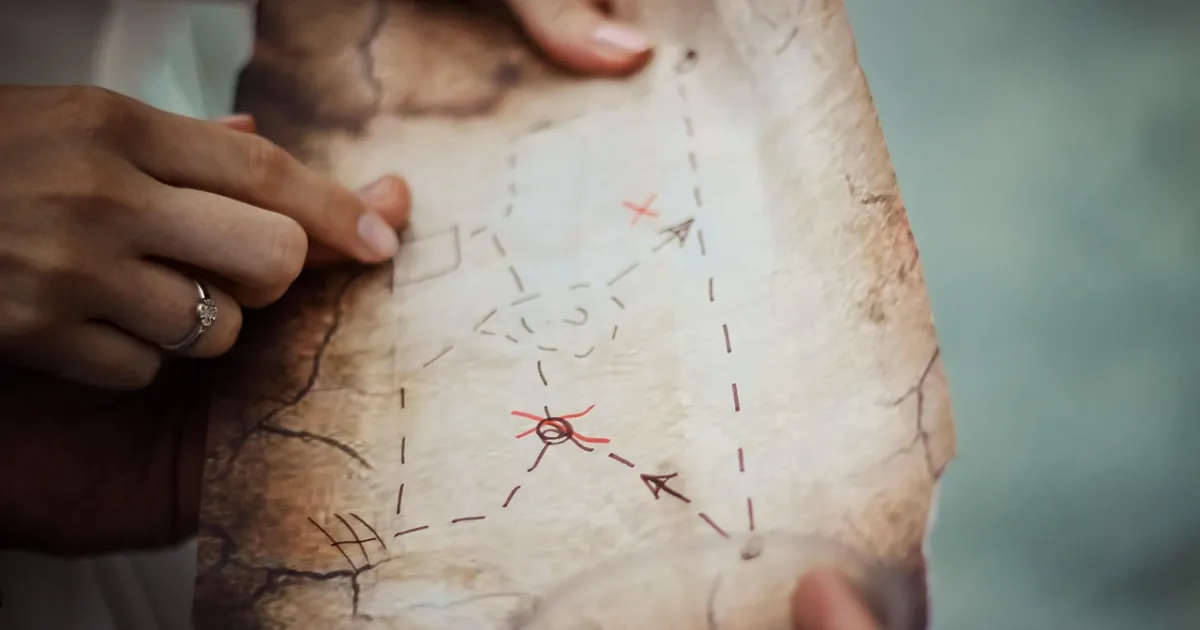
- Treasure map: a simple map of the room with an X.
- Jigsaw message: a picture cut into a few big pieces, with a word on the back.
- Secret code: 1 = A, 2 = B, with the alphabet printed on the card for younger players.
- Magic reveal: a message in white crayon that appears when kids paint over it with watercolors.
- Easy riddles: "What has hands but cannot clap?" leading to a clock. See our escape room riddles for more.
Making a DIY escape room for kids
- Pick a story they love: pirates, dinosaurs, a wizard school, a missing birthday cake.
- Plan four to six puzzles that lead from one to the next, ending at a box with a reward.
- Hide clues at their height and somewhere safe to reach. No climbing.
- Use a key or simple lock for the finale, or a box tied with ribbon that "only opens with the password".
- Be the game master. Stay in the room, read the story with drama and give hints with a smile.
Our step-by-step guide on how to make an escape room at home covers planning, and our printable escape room is ready to use with a simpler version for younger children.
Kids' escape room parties
- Split big groups into teams of three to five with the same puzzles, so nobody is left out.
- Pair older and younger children.
- Make the prize shared: party bags or the cake, not a winner-takes-all trophy.
- Plan an easier backup for each puzzle in case a team gets frustrated.
Taking kids to an escape room venue
Many venues welcome children, with family-friendly rooms and age rules. Before booking, check:
- the minimum age and whether an adult must play in the room;
- whether the theme or effects could frighten younger children (darkness, loud noises, actors);
- how the room handles a child who wants to leave;
- whether there are family or kids' versions with easier puzzles.
Read more in our guide to escape room age limits.
Questions
What age can kids do escape rooms?
At home, from about four with picture clues and an adult helping. At venues, minimum ages and supervision rules vary, so check before booking.
How long should a kids' escape room be?
Fifteen to twenty minutes for young children, thirty to forty-five for older kids.
Are escape rooms scary for kids?
Family rooms are not. Avoid horror themes and ask the venue about darkness or sudden effects.
What is a good prize for a kids' escape room?
Sweets, small toys, party bags or the birthday cake. Make it something the whole team shares.