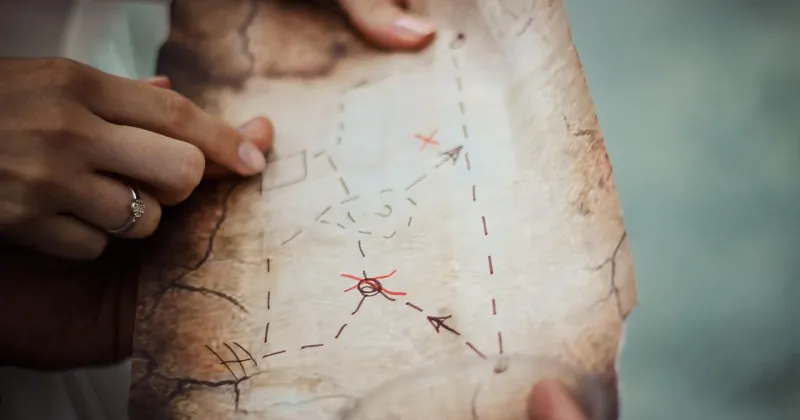
An escape room puts a team under a clock with a shared goal, which is exactly why companies book them. Here is how to plan the event so it builds the team rather than just filling an afternoon.

In an escape room, a team has one hour, one goal and no choice but to communicate. That makes it one of the most popular team building activities: within minutes you see who searches, who organises, who spots patterns and who keeps everyone calm. Planned well, the hour also gives you plenty to talk about afterwards.
Why escape rooms work for teams
- Everyone contributes. Rooms mix searching, logic, wordplay and physical tasks, so different strengths matter.
- Information must be shared. Clues are scattered, so silent players slow the whole team down.
- Roles appear naturally. Leaders, finishers and connectors show up without anyone being assigned.
- It is new for everyone. Job titles do not help with a directional lock, which levels the playing field.
Planning the event
Group size and teams
Each room typically fits around four to eight players. For larger groups, book several rooms at the same time, or the same room in consecutive slots. Venues that specialise in corporate events often run several identical rooms side by side so teams can compete.
Mixing people
Decide whether teams should be existing teams (to practise working together) or mixed across departments (to build connections). Mixed teams are usually more memorable; existing teams give more useful debriefs.
Choosing the room
For work groups, pick a room rated medium difficulty with a broad, non-graphic theme such as a heist, detective case or adventure. Avoid high-fear horror rooms unless everyone opts in. See our guide to escape room themes for how each one feels.
Accessibility
Ask the venue about steps, crawling, small spaces, darkness, loud effects and color-dependent puzzles before booking, and share that information with participants so nobody is surprised.
On the day
- Arrive early so the briefing starts on time.
- Ask the game master to keep track of hints used by each team if you plan to compare results.
- Let teams play without managers stepping in to direct. The point is to see how the group works on its own.
- Take team photos; they help the debrief and the internal newsletter.
The debrief: where the team building happens
Spend 15 to 30 minutes together afterwards, ideally with food. Questions that work:
- What slowed us down most?
- When did information get lost between people?
- Who found the breakthrough, and how did the team notice?
- Did we ask for help early enough?
- Which habit from the room would help us at work?
Keep it light. The goal is to recognise patterns, not to judge who was "good" at the game.
Competitive or cooperative?
Running several teams against the clock adds energy, but some people find competition stressful. A middle path: celebrate every team that escapes, and give a light-hearted award for the best team photo or the funniest wrong answer.
Remote and hybrid teams
If part of the team is remote, consider an online format for everyone. Our guide to virtual escape room team building covers hosted, self-guided and box-based games.
Planning checklist
| When | Task |
|---|---|
| 3 to 6 weeks before | Confirm numbers, book rooms, ask about accessibility |
| 1 week before | Send teams, time, address, dress code (comfortable clothes and shoes) |
| On the day | Arrive early, let teams play freely, take photos |
| Afterwards | Debrief with food; share photos and one takeaway per team |
Want to help the team before the event? Share our escape room tips so first-timers know what to expect.
Questions
How many people do you need for escape room team building?
Each room usually takes around four to eight players. Larger groups play in several rooms at once.
How long does an escape room team building event take?
About two hours: a short briefing, 60 minutes of play, and a debrief.
Are escape rooms good for introverts?
Often yes. Many puzzles reward careful observation, and quieter players frequently find the key clue. Give everyone a puzzle to own.
Can managers play with their teams?
Yes, but ask them to resist taking charge. The room is more useful when the team organises itself.