A team, a themed room, a locked door and usually sixty minutes on the clock. Here is how an escape room game actually runs, from the briefing to the final lock, and what nobody tells you before your first one.
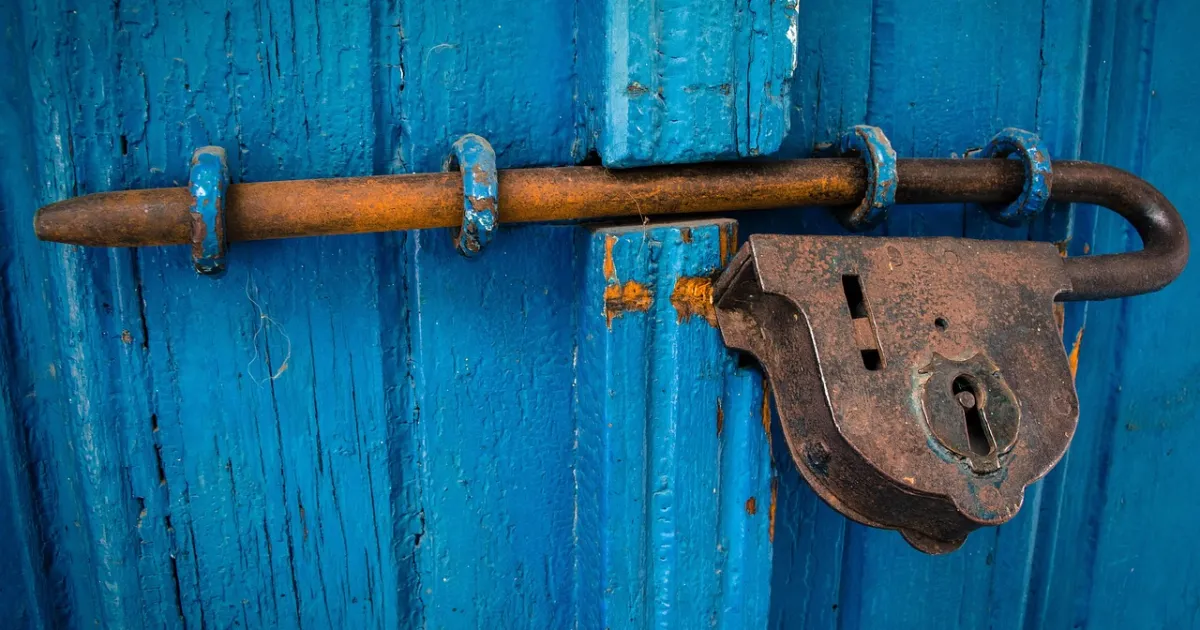
An escape room is a live game for a small team. You are let into a themed room, given a goal and a time limit, and you reach the goal by finding clues, solving puzzles and opening locks, each one leading to the next. The goal is often "get out", but just as often it is "find the stolen painting", "stop the experiment" or "solve the murder before the detective returns".
No skill or knowledge is needed beyond what is in the room. What wins is searching carefully, talking constantly and sharing the work.
How a game runs
- Booking. Most rooms are booked for a private group at a fixed time. Some venues sell single tickets and fill a room with strangers, so check which kind you are booking.
- Briefing. A staff member, usually called the game master, explains the rules, the story and how to ask for hints. Listen closely: the briefing often tells you what not to touch.
- The clock starts. You enter the room and the timer begins, most often 60 minutes. A screen or clock on the wall shows the time left.
- Search and solve. You look for objects, numbers, words and symbols, work out which lock or mechanism each one belongs to and open the next part of the game: a box, a cupboard, a hidden door, another room.
- Hints. The game master watches on camera and can send hints by screen, radio or speaker when you ask, or sometimes when you are clearly stuck.
- The finale. The last puzzle opens the exit or completes the mission. Win or lose, the game master usually walks you through anything you missed and takes a team photo.
Are you really locked in?
In a well-run room, no. The game is about the puzzle door, not the fire door. Venues normally keep the entrance unlocked, use an emergency release button, or keep a staff member able to open the room at any moment. If the briefing does not explain how to leave in an emergency, ask before the game starts. You should always be able to walk out if someone feels unwell or wants to stop.
What kinds of puzzles are inside?
Most rooms mix a handful of puzzle types:
- Search puzzles: a key or code hidden somewhere in the room.
- Combination locks: numbers, letters, colors or directions found or worked out from clues. Our lock decoder shows where each type of answer usually hides.
- Logic and pattern puzzles: sequences, grids, matching symbols to a legend.
- Ciphers: a coded message with a key somewhere in the room.
- Physical tasks: fitting pieces together, placing objects in the right spots, guiding a ball through a maze.
- Teamwork puzzles: two people in different places need to share what each one sees.
Good rooms make the puzzles part of the story, so a clue in a diary or a symbol on a painting feels like part of the world rather than a test.
Linear or open games
Rooms differ in how the puzzles connect. In a linear room, one puzzle opens the next, so the whole team works on one thing at a time. In an open or non-linear room, several puzzles are available at once and the team can split up. Most rooms sit somewhere between: open at the start, then funneling towards one final puzzle.
Knowing which kind you are in helps. If several locks are in front of you at once, divide up; if there is clearly one thing to do, get everyone looking at it.
How many people, and how hard?
Most venues list a range, often around two to eight players, and an age limit or a rule that younger players come with an adult. Fewer players means more work each; too many and some people end up watching. Four to six is comfortable for most first-timers. Venues also rate their rooms for difficulty and, in horror themes, for fear level; start with something marked beginner or medium.
Escape rate is a popular statistic on venue websites, but it is not a standard measure: some venues count games won with hints, some do not. Treat it as a rough guide to difficulty, not a score to beat. See our escape room tips for the habits that make the biggest difference.
Where escape rooms came from
The game grew out of "escape the room" computer games, where you click around a locked room for items and codes. In 2007 Takao Kato in Japan opened what CNBC describes as the earliest known real-life escape room, under the name Real Escape Game. The idea spread through Asia and Europe, and in 2012 Kato's friend Kazuya Iwata brought the game to the United States, in San Francisco. By the mid-2010s, venues were opening across the US, and today most cities have several.
Escape rooms have also moved off-site: there are boxed games to play at home, printable kits and online versions. You can even build an escape room at home for a party or a rainy afternoon.
Unwritten rules
- Do not force anything. If something needs strength, it is almost never the answer.
- Leave light fittings, sockets, smoke detectors and anything marked with a sticker or tape alone.
- Keep phones in your pocket unless the game master says otherwise.
- Do not share the solutions online afterwards. The next team deserves the same surprise.
Questions
How long does an escape room take?
Most games last 60 minutes, though some are 45, 75 or 90. Allow about 15 minutes before for the briefing and a few minutes after for the debrief and photo.
Do you have to be good at puzzles?
No. Rooms are designed so that everything you need is inside. Searching carefully and talking to your team matter more than puzzle experience.
Can you play an escape room with two people?
Yes, many rooms allow two players. Pick a room rated beginner or medium, because two people have to do all the searching and solving.
Is it scary?
Only if you choose a horror theme. Most rooms are adventure, mystery or comedy themes with no scares at all. Venues usually say clearly which rooms are scary.