An escape room kit puts the puzzles, story and locks in a box on your kitchen table. Here is how the main types differ, how to choose one for your group and how to get the most out of game night.
Not every escape room needs a booking. An escape room kit brings the puzzles home: a box or envelope of clues, a story and a way to check your answers. Kits are cheaper per player than a venue, fit around bedtimes and work for groups that are spread out or include small children.
The main types of kits
Boxed card games
A small box holds a deck of cards and sometimes a booklet. You reveal cards as you solve puzzles. Many of these are played once, because solving means folding, cutting or writing on components. They are compact, inexpensive and good for two to four players.
Replayable boxes and puzzle chests
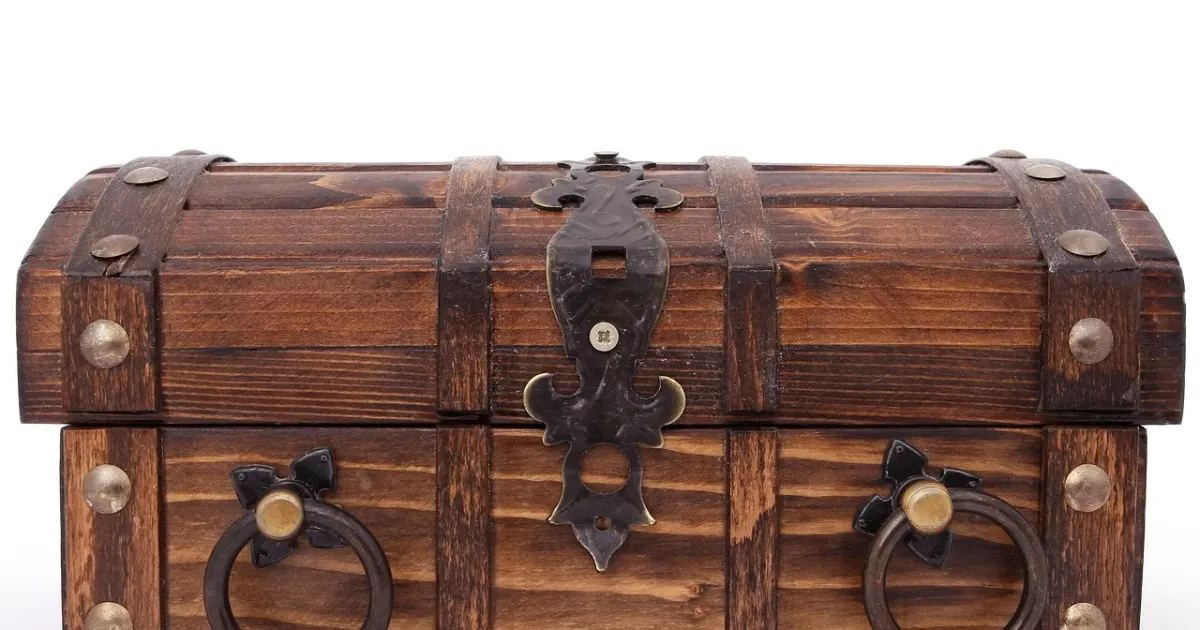
A wooden or cardboard chest with locks, compartments and physical puzzles. Once solved, it can be reset for another group, which makes these good for families who host often or want to lend the game out.
Party kits
Larger kits, often printable or digital downloads, designed for birthday parties or dinner parties. They include a story, invitations, role cards and puzzles to print and hide around the house.
Printable games
A file you download and print. Cheap, instant and easy to adapt. See our own printable escape room.
Subscription games
An episode arrives by post every month, and the story continues from box to box. Great for regular game nights.
Hybrid kits
Physical clues combined with a website or app that checks answers, plays audio or shows video. These feel the most like a real room.
How to choose
| If you want | Choose |
|---|---|
| A cheap game for two | Boxed card game |
| Something to replay or lend | Replayable chest |
| A birthday or dinner party | Party kit or printable |
| Regular game nights | Subscription |
| Kids' fun on a rainy day | Printable or a kit labeled for their age |
| The most immersive experience | Hybrid kit with an app |
Check the box for player count, age range, play time, whether it is replayable and whether you need scissors, a pen, a phone or an internet connection. Read difficulty ratings with care: a "hard" kit for experienced players can frustrate first-timers.
How to play a kit well
- Clear a table. You need space to lay out cards and keep solved items separate.
- Read the rules together and decide who reads story text aloud.
- Set a timer if the game has one; it adds tension even when there is no penalty.
- Use the hint system. Most kits include graded hints. A hint costs nothing but pride.
- Do not peek ahead. Many kits number their cards or envelopes; opening early spoils the "aha" moments.
- Keep what is reusable. If it is a one-time game, pass it on only if no components were damaged; some kits list how to reset.
The same habits that help in a real room help at home. Read our escape room tips before your first game.
Kits versus building your own
A kit saves preparation and gives you a polished story. Building your own takes an evening but can be fitted exactly to your home, your players and an occasion such as a birthday or a holiday. Many hosts start with a kit, then make their own using our guide to making an escape room at home and our 30 escape room ideas.
Questions
Are at-home escape room kits worth it?
For many groups, yes. They cost less per player than a venue, need no booking and can be played in pyjamas.
Can you replay an escape room kit?
Some can be reset and passed on; many card-based games are played once because components are cut or written on. The box usually says which.
How many people can play an at-home escape room?
Most kits suit two to six players. Party kits are designed for larger groups.
How long do escape room kits take?
Typically 45 to 90 minutes, depending on difficulty and how many hints you use.